Why a Vehicle Maintenance Schedule is Crucial
Keeping a vehicle in good condition requires regular care. A vehicle maintenance schedule helps organize this care. It ensures the car runs smoothly and safely. Following a schedule prevents costly repairs and breakdowns. It also extends the life of the vehicle. I rely on a clear plan to keep my car in top shape. This post explains why a vehicle maintenance schedule is essential and how it benefits every car owner.
The Importance of a Vehicle Maintenance Schedule
A vehicle maintenance schedule outlines when to perform specific checks and services. It covers oil changes, tire rotations, brake inspections, and more. Sticking to this schedule helps catch problems early. For example, changing the oil on time keeps the engine lubricated and prevents damage. Checking tire pressure regularly improves fuel efficiency and safety.
Ignoring maintenance can lead to breakdowns. A simple fix missed today might turn into a major repair tomorrow. A schedule also saves money. Preventive care costs less than fixing a damaged engine or transmission. It keeps the car reliable, reducing the chance of being stranded.
For those who depend on their car daily, a maintenance plan offers peace of mind. It ensures the vehicle is ready for any trip. This is especially important in busy areas where finding quick repairs can be difficult.

Regular engine checks prevent unexpected breakdowns.
How a Vehicle Maintenance Schedule Supports Safety and Performance
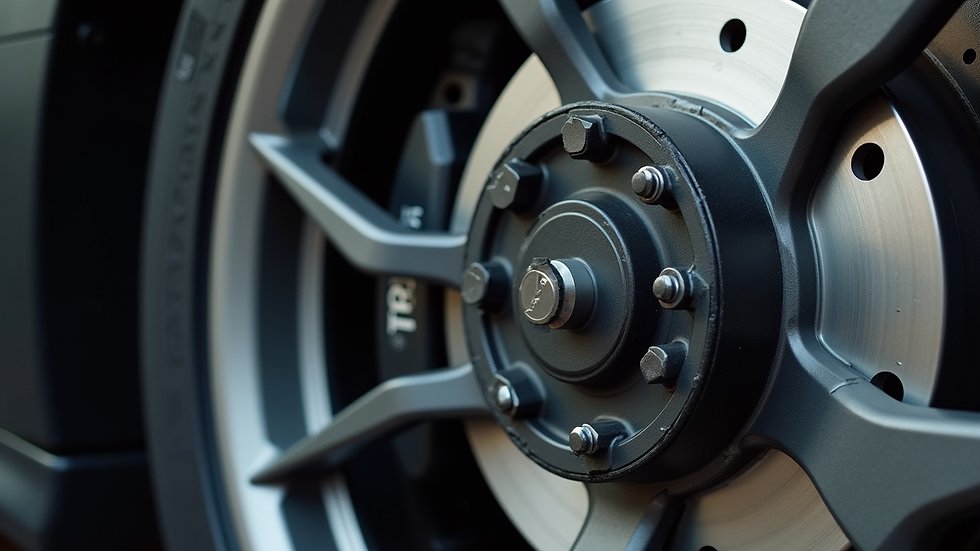
Safety is a top priority for any driver. A vehicle maintenance schedule helps maintain critical safety features. Brakes, tires, lights, and steering components all need regular checks. Worn brake pads or low tire tread can cause accidents. A schedule ensures these parts get attention before they fail.
Performance also depends on proper maintenance. A clean air filter improves fuel economy. Properly inflated tires reduce wear and improve handling. Regular fluid changes keep the transmission and cooling system working well. This means the car drives smoothly and uses less fuel.
Following a maintenance schedule also helps maintain the vehicle’s value. A well-maintained car sells for more and attracts buyers faster. It shows the owner took good care of the vehicle.
What is a Typical Maintenance Schedule for a Car?
Most cars have a recommended maintenance schedule in the owner’s manual. This schedule lists services by mileage or time intervals. Common milestones include:
Every 3,000 to 5,000 miles: Oil and filter change
Every 6,000 to 10,000 miles: Tire rotation and inspection
Every 15,000 to 30,000 miles: Air filter replacement, brake inspection
Every 30,000 to 60,000 miles: Transmission fluid change, coolant flush
Every 60,000 to 100,000 miles: Timing belt replacement, spark plug change
These intervals vary by vehicle make and model. It is important to follow the specific schedule for your car. Some newer vehicles have longer intervals due to improved technology.
Keeping a log of completed services helps track what has been done. This record is useful for future maintenance and resale.

Regular tire checks improve safety and fuel efficiency.
Practical Tips for Sticking to Your Vehicle Maintenance Schedule
Staying on top of maintenance can be challenging. Here are some tips to make it easier:
Set reminders - Use a phone app or calendar to remind you of upcoming services.
Keep records - Maintain a folder or digital file with receipts and service dates.
Use trusted service providers - Choose reliable mechanics who follow manufacturer guidelines.
Inspect your car regularly - Check tire pressure, fluid levels, and lights monthly.
Plan ahead - Schedule services before long trips or seasonal changes.
Mobile auto repair services offer convenience by coming to your location. This saves time and reduces hassle. It is a great option for busy schedules or unexpected issues.
The Long-Term Benefits of Following a Vehicle Maintenance Schedule
Following a vehicle maintenance schedule pays off over time. It reduces the risk of breakdowns and costly repairs. The car stays fuel-efficient and performs well. Safety is improved, protecting you and others on the road.
A well-maintained vehicle also lasts longer. This means fewer replacements and better return on investment. It supports a hassle-free driving experience.
For anyone who values reliability and safety, a maintenance schedule is a must. It is a simple step that makes a big difference.
If you want to learn more about how to keep your car in top condition, consider using a car maintenance schedule tailored to your vehicle. This approach helps you stay organized and proactive.
Making Vehicle Maintenance Easy and Affordable
Maintaining a vehicle does not have to be complicated or expensive. Mobile mechanics bring professional service to your doorstep. This saves you time and effort. Affordable pricing and transparent communication build trust.
Regular maintenance prevents emergency repairs that cost more. It also keeps your vehicle safe and dependable. By following a clear schedule, you avoid surprises and enjoy peace of mind.
Choosing a trusted mobile mechanic ensures quality work. It supports a smooth, stress-free ownership experience.
By committing to a vehicle maintenance schedule, you protect your investment and ensure your car serves you well. Regular care is the key to safe, efficient, and reliable driving.


Comments